

Call us for an appointment
(65) 6836 1480

Consultant Dermatologist
MBBS (Singapore), M.Med (Internal Medicine),
MRCP (UK), FAMS (Dermatology),
Corr. Fellow, American Society for Dermatologic Surgery
Warts might seem like a small, harmless skin issue, but anyone who has tried to get rid of one knows they can
be surprisingly stubborn. From over-the-counter creams to home remedies found online, it is easy to fall into
a cycle of trial and error with little success. These rough, persistent bumps can linger for months or even
years, often spreading or returning just when they seem to be under control.
Medical treatments take a more precise approach, focusing on removing the wart while reducing the chance of
recurrence or damage to the surrounding skin. Before looking at how specialists treat them, it helps to
understand what warts are and why they appear in the first place.
Warts are small, rough growths on the skin caused by the human papillomavirus (HPV). This virus enters
the body through tiny cuts or breaks in the skin, triggering an overgrowth of cells in the outer layer.
The result is a raised, hardened bump that can vary in size, shape and texture depending on the type of
wart.
There are several common types.
Warts are contagious and can spread through direct skin contact or by sharing personal items such as towels, razors or footwear. They are more likely to develop in people with weakened immune systems, damaged skin, or frequent exposure to warm, moist environments like swimming pools and gyms.
Skin specialists use a range of treatments depending on the type, size, and location of the wart, as well as how long it has been present. Each method is designed to remove the wart tissue while limiting damage to the surrounding skin.
The level of discomfort during wart removal can vary depending on the treatment method and the
sensitivity of the area being treated. Some procedures are quick but may cause brief irritation,
while others are performed with measures to reduce pain during the process.
You may experience:
After treatment, it is common for the area to appear red, swollen, or slightly blistered. Healing time can range from a few days to a couple of weeks, depending on the depth of the wart and the method used. Keeping the area clean and protected helps reduce the risk of infection and supports proper healing.
Some treatments may require follow-up sessions, especially for stubborn or recurring warts. In most cases, side effects are mild, but there is a small risk of scarring or changes in skin pigmentation. Proper aftercare and guidance from a skin specialist can help minimise these risks and improve overall outcomes.
Even after successful treatment, warts can return if the virus remains in the skin or spreads to nearby areas. Taking a few simple precautions can help reduce the risk of recurrence and protect your skin over time. You can lower your risk by:
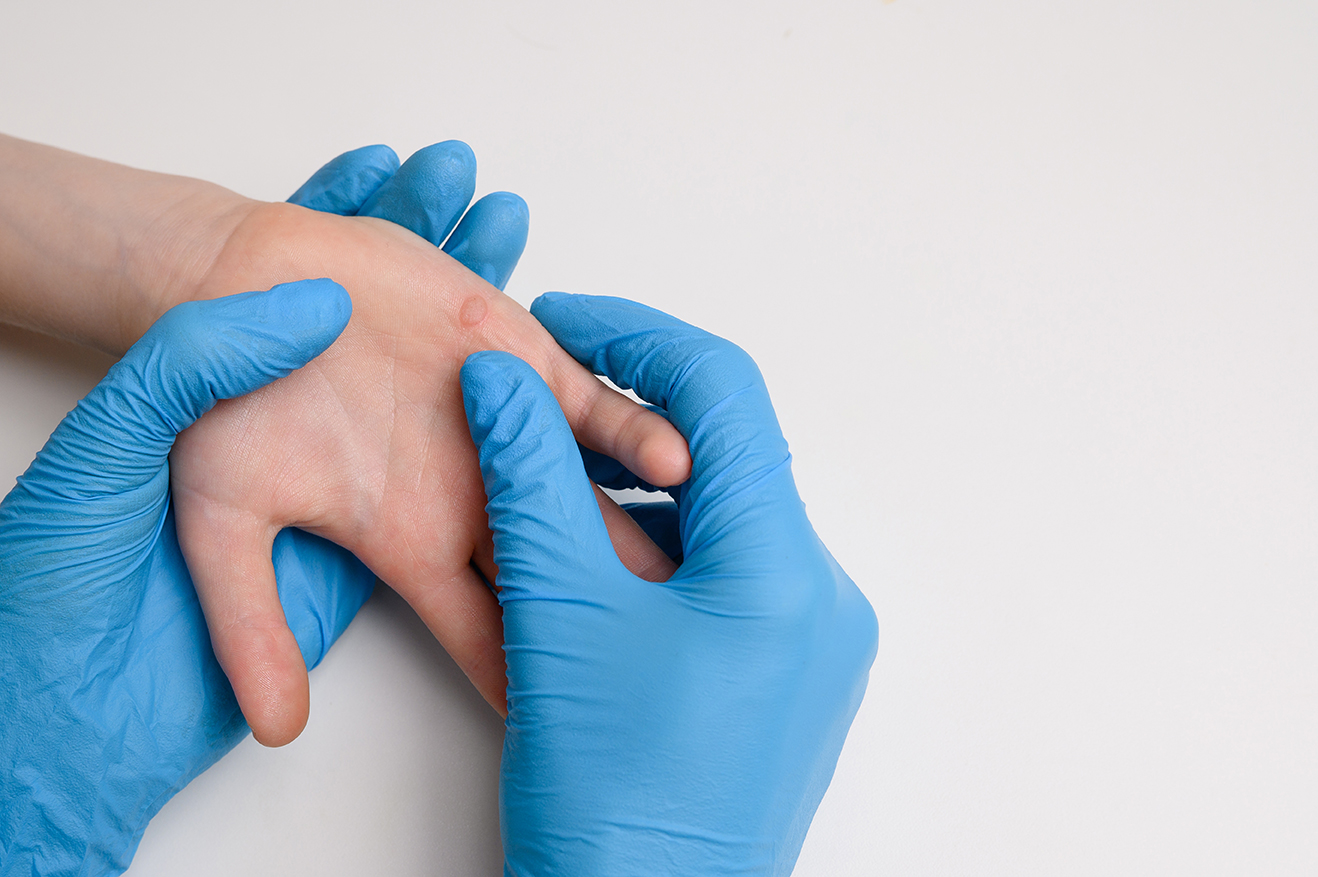
Warts can be stubborn, but effective treatment options are available when they do not respond to
home care. Professional methods focus on removing the wart safely while reducing the risk of
recurrence and skin damage. Taking the right approach early can lead to better outcomes and
healthier skin over time.
At LL Cheong Skin & Laser Clinic, patients receive personalised dermatological care for a wide range
of skin concerns, including persistent warts. Dr Cheong Lai Leng brings decades of experience in
dermatology with a strong focus on dermatologic surgery and evidence-based treatments. If you are
unsure about the most suitable option or are concerned about recurring warts, a consultation can
provide a thorough assessment and a treatment plan tailored to your skin.
Some warts can be removed in a single session, but others may require multiple treatments. The number of sessions depends on the wart’s size, depth, and location.
Yes, multiple warts can often be treated in one session, depending on their number and location. The specialist may adjust the treatment plan to ensure the skin heals properly.
Yes, many treatments are suitable for children, though the approach may be adjusted to minimise discomfort. A skin specialist can recommend age-appropriate options.
Treatment reduces the viral load and lowers the risk of spreading, but precautions are still important until the skin has fully healed.
Most professional treatments are suitable for a wide range of skin types. However, the method may be adjusted to reduce the risk of pigmentation changes or irritation, especially for more sensitive skin.
Consultant Dermatologist
MBBS (Singapore), M.Med (Internal Medicine),Dr Cheong Lai Leng is a consultant dermatologist with over 20 years of clinical experience. Her specialist interests include the surgical management of skin conditions and cosmetic dermatology. Her practice incorporates laser therapy, skin-resurfacing procedures, photorejuvenation, chemical peels and injectables as part of comprehensive, individualised skin treatment plans.

