

Call us for an appointment
(65) 6836 1480

Consultant Dermatologist
MBBS (Singapore), M.Med (Internal Medicine),
MRCP (UK), FAMS (Dermatology),
Corr. Fellow, American Society for Dermatologic Surgery
If you're a parent of a child with eczema, Singapore's upcoming weather forecast may be
worth paying attention to.
Meteorologists have forecast a possible return of El Niño conditions from July, which could
bring hotter temperatures, longer dry spells, and an increased risk of haze across the
region. While the full impact remains uncertain, these weather changes can be particularly
challenging for children with eczema.
Hot weather often means more sweating, which can irritate sensitive skin and trigger itching. Dry conditions can strip moisture from the skin, while haze and other airborne irritants may worsen inflammation in some children. Together, these factors can increase the likelihood of eczema flare-ups and make symptoms more difficult to manage.
The good news is that a few simple adjustments to your child's skincare routine and daily environment can help keep flare-ups under control.
Eczema flare-ups can often be linked to specific environmental and lifestyle triggers, making it important for parents to understand what may be affecting their child's skin. As Singapore enters a potentially warmer and drier period due to El Niño, some children may become more susceptible to eczema flare-ups triggered by heat, sweat, dry skin, and environmental irritants. Common eczema triggers include:
It is important to remember that eczema triggers can vary from child to child, and what causes a flare-up in one child may not affect another. Keeping a symptom diary and noting when flare-ups occur can help parents identify patterns and better understand their child's unique eczema triggers. By recognising and avoiding these factors where possible, families can take a more targeted approach to eczema management and reduce the frequency and severity of flare-ups.
A consistent skincare routine plays an important role in managing eczema and keeping your child's skin comfortable. Small daily habits can help strengthen the skin barrier, reduce irritation, and lower the risk of flare-ups over time.
Moisturising is one of the cornerstones of eczema care. It helps strengthen the skin barrier, reduce moisture loss, and relieve the dryness and itching commonly associated with eczema. This may be especially important during periods of hot and dry weather, when the skin can lose moisture more easily.
For optimal results, apply a suitable moisturiser several times throughout the day, particularly after bathing while the skin is still slightly damp. This helps lock in moisture and keep the skin hydrated for longer.
Bathing can help cleanse and soothe eczema-prone skin, but it is important to do so gently. Long, hot showers and vigorous scrubbing may strip the skin of its natural oils and worsen irritation.
Instead, use lukewarm water, keep bath times relatively short, and gently pat the skin dry afterwards rather than rubbing it with a towel.
Not all skincare products are suitable for children with eczema. Some ingredients, fragrances, and preservatives may irritate sensitive skin and contribute to flare-ups.
When choosing cleansers and moisturisers, look for products that are fragrance-free and formulated for sensitive or eczema-prone skin. Using gentle products consistently can help support the skin barrier and minimise unnecessary irritation.
Lifestyle and environmental factors can have a significant impact on eczema symptoms. Making practical adjustments to your child's daily routine and surroundings may help reduce exposure to triggers, minimise flare-ups, and improve overall comfort.
The clothes your child wears can make a difference to how their skin feels throughout the day. Soft, breathable fabrics such as cotton are generally more comfortable for eczema-prone skin and can help reduce irritation caused by heat and sweating.
Loose-fitting clothing is often recommended, as it allows the skin to breathe and minimises friction. In contrast, rough materials such as wool or certain synthetic fabrics may trap heat and sweat against the skin, potentially worsening itchiness and discomfort.
Hot weather and excessive sweating are common eczema triggers for many children. This may become particularly relevant if El Niño conditions bring warmer temperatures and longer dry spells to Singapore in the coming months.
Simple measures such as using fans or air conditioning, dressing children in lightweight clothing, and changing out of sweaty clothes promptly can help minimise skin irritation. Maintaining a cool and comfortable indoor environment may also support better eczema control.
Persistent itching can lead to scratching, which may damage the skin barrier and worsen eczema symptoms. Over time, this itch-scratch cycle can also affect a child's sleep quality and overall well-being.
Keeping fingernails short, applying moisturiser regularly to relieve dryness, and using soft cotton gloves during sleep when appropriate may help reduce scratching. Establishing a comfortable sleep environment and maintaining a consistent bedtime routine can also support better rest for both your child and the rest of the family.
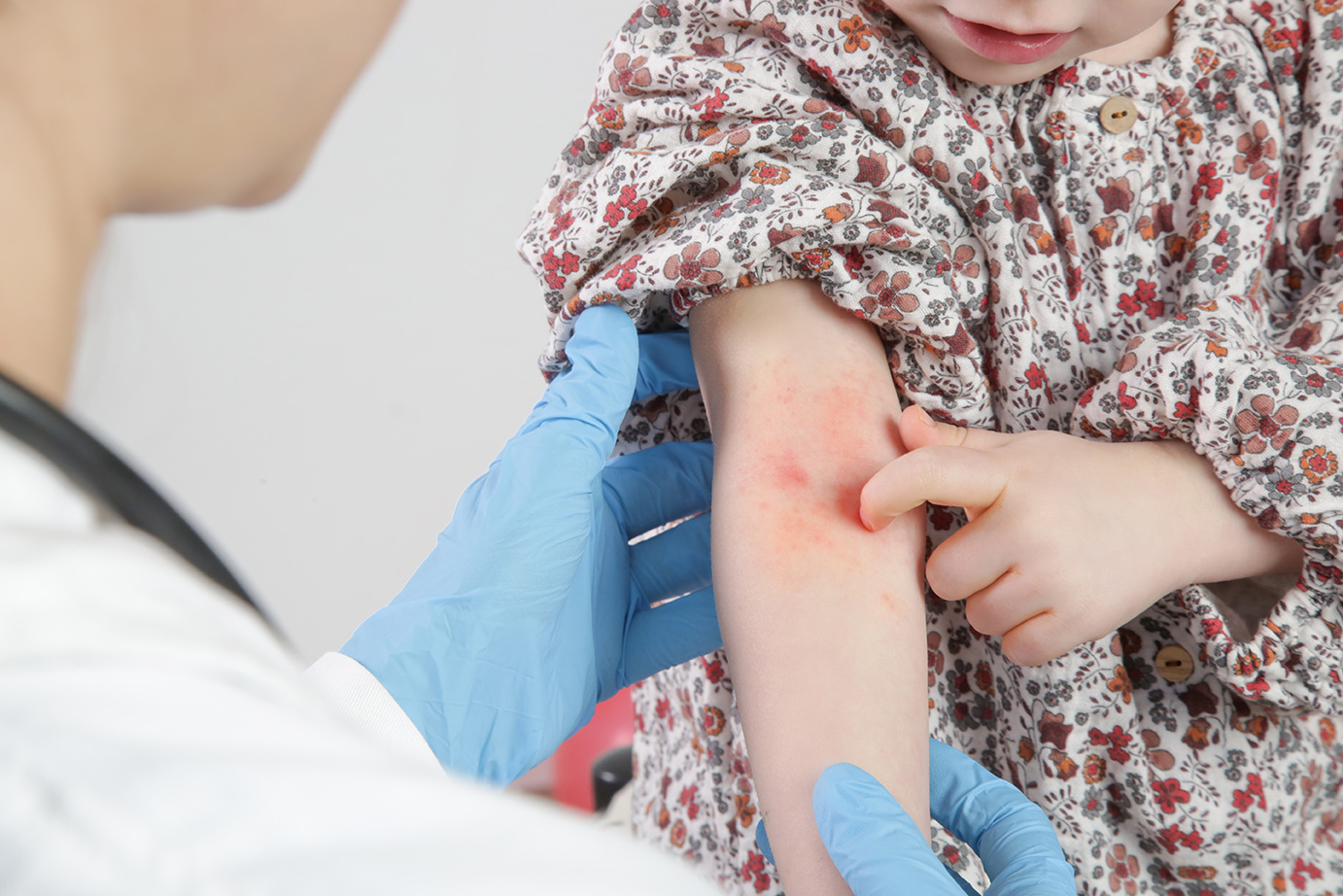
With Singapore potentially facing hotter temperatures, longer dry spells, and an increased risk
of haze as El Niño conditions develop, eczema management may become more challenging for some
children in the months ahead. Staying proactive by maintaining a consistent skincare routine,
minimising exposure to known triggers, and seeking timely medical advice when needed can help
keep symptoms under control.
At LL Cheong Skin & Laser
Clinic, consultant dermatologist Dr Cheong Lai Leng
provides personalised care for children and adults living with eczema and other skin conditions.
If your child's eczema is becoming increasingly difficult to manage, schedule a consultation with Dr
Cheong to receive a tailored treatment plan that supports better symptom control, improved
comfort, and healthier skin.
An eczema flare-up typically causes increased redness, itching, and dryness. Signs that an infection may be developing include pain, swelling, yellow crusting, oozing, pus, or fever. If these symptoms occur, it is important to seek medical attention promptly for assessment and treatment.
Yes. Heat and sweating are common eczema triggers for many children. When the weather becomes hotter, children may sweat more frequently, which can irritate sensitive skin and increase itching. Keeping your child cool, dressing them in lightweight clothing, and applying moisturiser regularly may help reduce the risk of flare-ups.
Sunscreen is important for protecting your child's skin from harmful UV rays, even if they have eczema. Look for products that are fragrance-free and formulated for sensitive or eczema-prone skin. If you're unsure which sunscreen is suitable for your child, a dermatologist can recommend products that minimise the risk of irritation.
Most children with eczema can participate in sports and physical activities. However, sweating may trigger itching or irritation in some individuals. Parents can help by ensuring their child wears breathable clothing, stays hydrated, showers after exercise, and applies moisturiser as needed.
Haze and other airborne pollutants may irritate sensitive skin and worsen eczema symptoms in some children. During periods of poor air quality, some children may experience increased itching or skin irritation. Parents may wish to minimise prolonged outdoor exposure and maintain a consistent skincare routine to help protect the skin barrier.
Many children experience an improvement in eczema symptoms as they get older, and some may outgrow the condition altogether. However, eczema can persist into adolescence or adulthood in certain cases. Early and consistent management can help reduce flare-ups and support long-term skin health.

Dr Cheong Lai Leng
Consultant Dermatologist
MBBS (Singapore), M.Med (Internal Medicine),
Dr Cheong Lai Leng is a consultant dermatologist with over 20 years of clinical experience.
Her specialist
interests include the surgical management of skin conditions and cosmetic dermatology. Her
practice
incorporates laser therapy, skin-resurfacing procedures, photorejuvenation, chemical peels
and injectables as
part of comprehensive, individualised skin treatment plans.
With her extensive expertise and patient-centric approach, Dr Cheong is well-equipped to
diagnose and treat a wide range of minor and complex skin, hair and nail conditions,
ensuring optimal outcomes tailored to individual skin types and concerns.

