
Call us for an appointment
(65) 6836 1480

Consultant Dermatologist
MBBS (Singapore), M.Med (Internal Medicine),
MRCP (UK), FAMS (Dermatology),
Corr. Fellow, American Society for Dermatologic Surgery
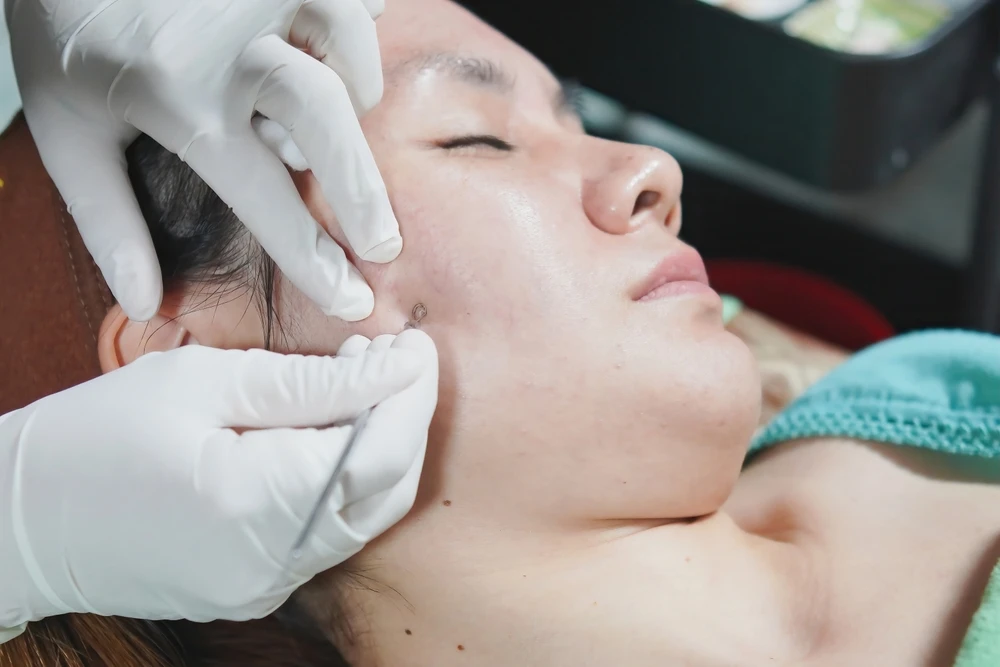
Clogged pores and persistent blackheads can be frustrating, particularly when they remain despite regular skincare. It may be tempting to squeeze or pick at them, but doing so can irritate the surrounding skin and increase the likelihood of lingering marks.
Professional acne extraction offers a controlled way to remove blockages from the pores, but extraction is a specific technique rather than a general solution for acne. Its role needs to be considered alongside the type of acne present, the state of the skin and the wider treatment approach.
Understanding where professional extraction fits into acne care can help clarify when it has a useful purpose and when treatment should take a different direction.
Professional acne extraction is most relevant for selected clogged pores rather than acne in general. The primary factor to consider is whether extraction can be carried out without unnecessarily stressing the surrounding skin.
Situations where extraction may be considered include:
There are situations where leaving a lesion alone or managing it another way may be safer than attempting extraction. This is particularly important when the acne or surrounding skin is already inflamed.
A tender, swollen or deeper lesion is different from a superficial clogged pore. Applying pressure to these areas may cause additional irritation without effectively removing what is beneath the skin.
When inflammatory acne is present, the priority is usually to manage the underlying inflammation rather than attempting to physically extract the lesion.
Even among blackheads and whiteheads, not every blockage is ready or suitable for removal. If extraction requires excessive pressure or repeated attempts, continuing may increase the risk of unnecessary skin trauma.
Extraction may also be unsuitable when the surrounding skin is already significantly irritated, broken or inflamed. Treating the area before the skin has settled could add further stress to tissue that is already compromised.
In these situations, addressing the condition of the surrounding skin may take priority before extraction is reconsidered.
Acne extraction can cause temporary skin changes, although careful technique is intended to minimise unnecessary trauma to the skin.
Possible effects include:
Professional acne extraction aims to reduce these risks by assessing which areas are appropriate to treat and using controlled techniques to remove the blockage while limiting damage to the surrounding skin.
When extraction is not suitable, management depends on the type of acne present and what is contributing to the breakouts. The alternative is not necessarily another procedure, as some acne patterns may be better managed by addressing inflammation or preventing pores from becoming blocked in the first place.
For acne that is inflamed, recurring or affecting a wider area, a dermatologist may recommend topical or oral treatment rather than attempting to remove individual lesions physically.
Certain in-clinic procedures may also be considered depending on the type of acne and the condition of the skin. Some options include chemical peels, dermabrasion, laser resurfacing and IPL therapy.
These procedures serve different purposes and are not interchangeable with extraction. A dermatologist can determine whether one is appropriate based on the acne pattern and treatment goals.
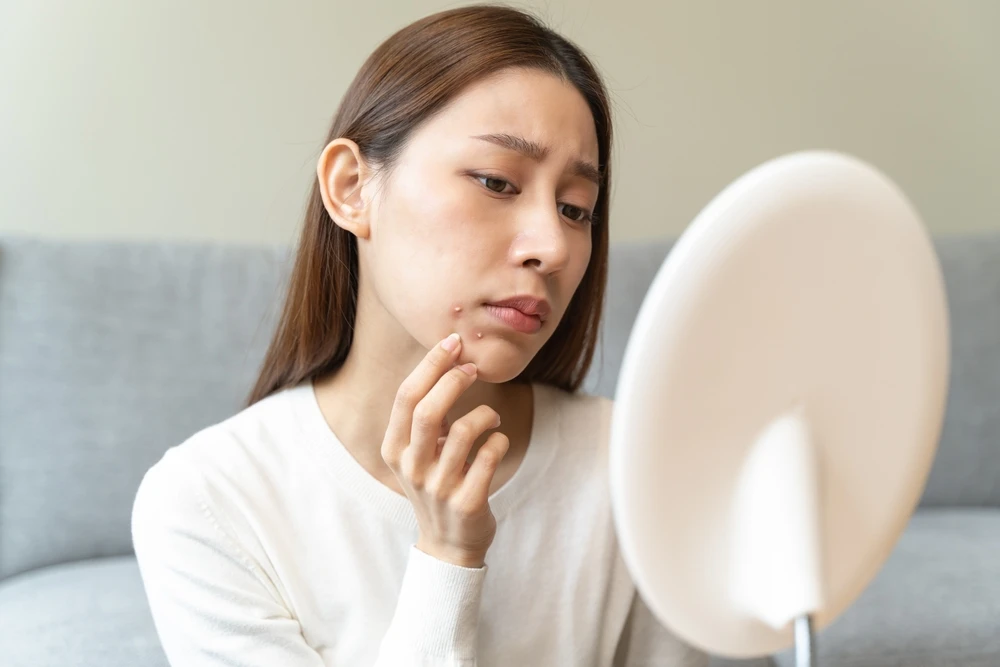
Professional acne extraction has a specific place within acne care. A dermatology review can help clarify whether your skin is suitable for this treatment, or whether another approach may be more suitable.
At LL Cheong Skin and Laser Clinic, patients can receive dermatologist-led assessment for acne and related skin concerns. Consultant Dermatologist Dr Cheong Lai Leng can evaluate your acne, identify suitable areas for extraction and recommend other treatment where needed as part of an individualised management plan.
If persistent clogged pores or breakouts are troubling you, book an appointment with Dr Cheong to discuss appropriate treatment options for your skin.
Some pressure or brief discomfort may be felt during extraction, particularly when a blockage is more difficult to remove. The experience can vary depending on the number and location of clogged pores being treated.
Potentially. Blackheads and whiteheads can also develop on areas such as the chest or back. Whether extraction is practical for a particular area still depends on the lesions present and should be assessed individually.
Acne extraction removes material from a clogged pore but does not permanently change the underlying size of the pore. Its purpose is to clear selected blockages rather than to provide a permanent pore-reducing effect.

Dr Cheong Lai Leng
Consultant Dermatologist
MBBS (Singapore), M.Med (Internal Medicine),
Dr Cheong Lai Leng is a consultant dermatologist with over 20 years of clinical experience.
Her specialist
interests include the surgical management of skin conditions and cosmetic dermatology. Her
practice
incorporates laser therapy, skin-resurfacing procedures, photorejuvenation, chemical peels
and injectables as
part of comprehensive, individualised skin treatment plans.
With her extensive expertise and patient-centric approach, Dr Cheong is well-equipped to diagnose and treat patients with various individual skin types and concerns.

