

Call us for an appointment
(65) 6836 1480

Consultant Dermatologist
MBBS (Singapore), M.Med (Internal Medicine),
MRCP (UK), FAMS (Dermatology),
Corr. Fellow, American Society for Dermatologic Surgery
At our eczema clinic, patients are able to receive treatment for this condition, focusing on reducing itches and preventing flare-ups, under the guidance of an experienced dermatologist in Singapore.
Eczema, also known as dermatitis, is an umbrella term for a group of chronic inflammatory skin conditions that
affect the skin barrier. It commonly causes dry, itchy, red and inflamed skin, with symptoms ranging from mild,
occasional irritation to persistent flare-ups that can interfere with daily life.
Eczema develops when the skin barrier becomes weakened, making it less effective at retaining moisture and
protecting against irritants, allergens and microbes. This increases skin sensitivity and triggers inflammation,
leading to recurring symptoms. While eczema is not contagious, its severity and pattern of flare-ups can vary
depending on the type of eczema, genetic factors, environmental triggers and individual immune responses.
Eczema is typically characterised by:
These symptoms are long-term in nature and they may recur after a period of apparent recovery. It is recommended that you see your eczema doctor in Singapore to discuss possible treatment methods that suit you best.
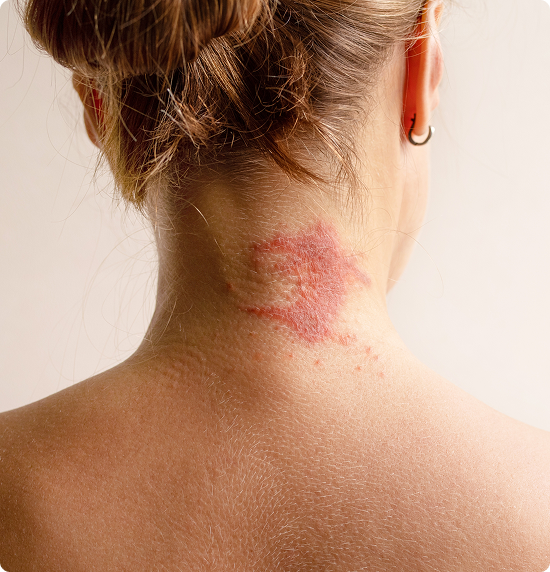
Eczema may also trigger a set of complications, such as:
Scratching can break the skin, allowing bacteria, viruses or fungi to enter and cause infection. Signs of an infected eczema flare may include increased redness, pain, swelling, oozing, crusting or pus, which may require medical treatment.
Persistent scratching and rubbing can cause the skin to become thickened, leathery and discoloured. This change, known as lichenification, commonly develops in areas affected by long-term eczema and can be difficult to reverse without controlling the itch-scratch cycle.
Repeated inflammation may leave affected areas darker or lighter than the surrounding skin after a flare-up has resolved. These pigmentation changes may persist for months before gradually fading.
Intense itching, particularly at night, can make it difficult to fall asleep or stay asleep. Poor sleep quality may contribute to daytime fatigue, reduced concentration and a reduced quality of life.
Living with chronic eczema may contribute to stress, anxiety, reduced self-confidence or depression, particularly when symptoms are severe, visible or interfere with daily activities. Emotional stress may also worsen eczema, creating a cycle of recurring flare-ups.

Eczema includes several different forms of dermatitis that share similar symptoms but differ in their underlying causes, affected areas, triggers and patterns of flare-ups. Some of these are:
Eczema does not have a single cause. Instead, it usually develops through a combination of genetic, immune and environmental factors that increase a person's susceptibility to the condition. Once eczema is present, various triggers can cause symptoms to flare up or worsen.
Diagnosing eczema involves identifying the type of dermatitis present while ruling out other skin conditions that may cause similar symptoms. During a consultation session, your dermatologist will often proceed in a structured manner.
Your dermatologist will ask about your symptoms, when they first appeared, how often flare-ups occur, and whether you have a personal or family history of eczema, asthma, allergic rhinitis or other allergic conditions. Information about your occupation, lifestyle and previous treatments may also help guide the diagnosis.
A thorough examination of the affected skin can help a specialist assess the appearance, location and severity of the rash. Certain patterns can provide important clues to the specific type of eczema you may have.
Your dermatologist may review potential factors that trigger or worsen your eczema, such as skincare products, soaps, detergents, fabrics, environmental allergens, sweating, stress or occupational exposures. Identifying these triggers can help support long-term symptom management.
If allergic contact dermatitis is suspected, patch testing may be recommended to determine whether your skin reacts to specific allergens. Small amounts of common allergens are applied to the skin under adhesive patches and assessed after several days for delayed allergic reactions.
A skin biopsy is not routinely required but may be performed if the diagnosis is uncertain or another skin condition is suspected. A small sample of skin is removed under local anaesthetic and examined under a microscope to help confirm the diagnosis.
Through these testing methods, your dermatologist is able to obtain a diagnosis and potentially proceed with planning treatment.
Persistent itching, recurring flare-ups and inflamed skin can affect your comfort and quality of life if left unmanaged. Schedule a consultation with our dermatologist to receive a personalised eczema treatment plan tailored to your condition.
consult our specialist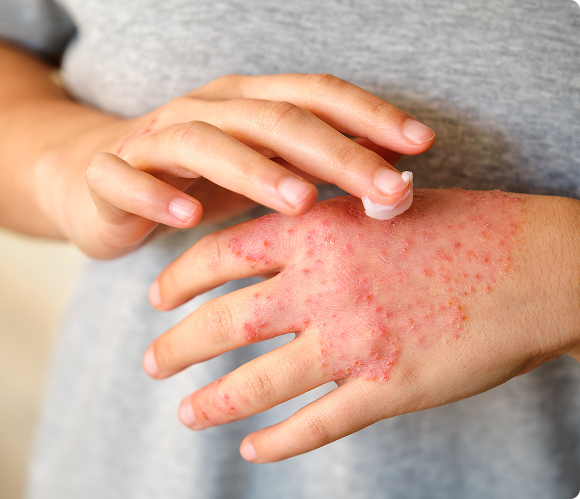
Eczema treatment focuses on relieving symptoms, preventing flare-ups and reducing their severity. Although eczema is a long-term condition with no permanent cure, the right treatment can help keep symptoms under control, stop them from getting worse, and reduce the frequency of flare-ups. Common treatments include:
If home eczema treatments prove to be insufficient to provide relief, our eczema specialist in Singapore may prescribe medications, which include:
Along with medications, eczema treatments in Singapore involve therapies, which are also effective in reducing symptoms and frequency of flare-ups.
In some cases, bio-feedback and relaxation training are used to help the patient manage eczema symptoms more effectively. These are especially beneficial to reduce stress and the urge to scratch the skin.
While medical treatment plays an important role in managing eczema, daily skincare and avoiding known triggers can also help reduce flare-ups and support long-term skin health. The following measures may help improve eczema control:
At LL Cheong Skin & Laser Clinic, we provide comprehensive eczema care that goes beyond managing flare-ups. Our approach focuses on accurate diagnosis, personalised treatment and long-term skin health, with management plans tailored to each patient's type of eczema, symptom severity, triggers and lifestyle. We treat both adults and children and offer a range of advanced eczema treatments and therapies to help improve symptom control and reduce the risk of future flare-ups.
Your care is led by Dr Cheong Lai Leng, our consultant dermatologist, who performs a comprehensive skin assessment on each patient to identify the underlying cause of your symptoms and recommend the most appropriate treatment plan for your condition.
If you are experiencing persistent itching, recurring rashes or other symptoms of eczema, seek professional assessment early. Contact us today for long-term eczema management to help you achieve healthier, more comfortable skin.
No. Eczema is not contagious and cannot be spread through physical contact. It develops due to a combination of genetic, immune and environmental factors rather than an infection.
Food allergies do not directly cause eczema, but they may trigger flare-ups in some individuals, particularly young children with atopic dermatitis. If a food allergy is suspected, your dermatologist may recommend further evaluation rather than eliminating foods without medical advice.
There is currently no permanent cure for eczema. However, appropriate treatment and long-term management can help control symptoms, reduce flare-ups and improve skin health.
Moisturisers are an important part of eczema care because they help repair the skin barrier and reduce dryness. However, moderate or severe eczema often requires additional treatments, such as medicated creams or other therapies prescribed by a dermatologist.
Keeping the skin well moisturised, avoiding overheating, wearing soft breathable clothing and following your prescribed treatment plan may help reduce itching at night. If night-time itching persists or affects your sleep, consult a dermatologist for further assessment and treatment.
Yes. Many eczema treatments are suitable for babies and children when prescribed and used appropriately. A dermatologist will recommend age-appropriate treatments based on your child's symptoms, age and severity of eczema.
Medical dermatology focuses on the diagnosis and treatment of conditions affecting the skin, hair and nails
Aesthetic dermatology focuses on helping patients address individual concerns
Surgical dermatology involves procedures to diagnose, remove or treat various skin conditions and growths

Consultant Dermatologist
MBBS (Singapore), M.Med (Internal Medicine),
MRCP (UK), FAMS (Dermatology),
Corr. Fellow, American Society for Dermatologic Surgery
Dr Cheong Lai Leng is a Consultant Dermatologist with over 20 years of clinical experience in diagnosing and managing a wide range of skin conditions, including eczema. She provides personalised eczema care for both adults and children, taking the time to identify the specific type of eczema, contributing triggers and individual treatment needs. Her approach focuses on relieving symptoms, reducing flare-ups and supporting long-term skin health through tailored management plans that evolve with each patient's condition.

