
3 Mount Elizabeth, #09-09 Mount Elizabeth Medical Centre Singapore 228510
Choose Language: EN CN BH
Call us for an appointment (65) 6836 1480

Wart Removal Treatment in Singapore

Dr Cheong Lai Leng
Dr Cheong Lai Leng

Consultant Dermatologist

MBBS (Singapore), M.Med (Internal Medicine),
MRCP (UK), FAMS (Dermatology),
Corr. Fellow, American Society for Dermatologic Surgery

What Are Warts?

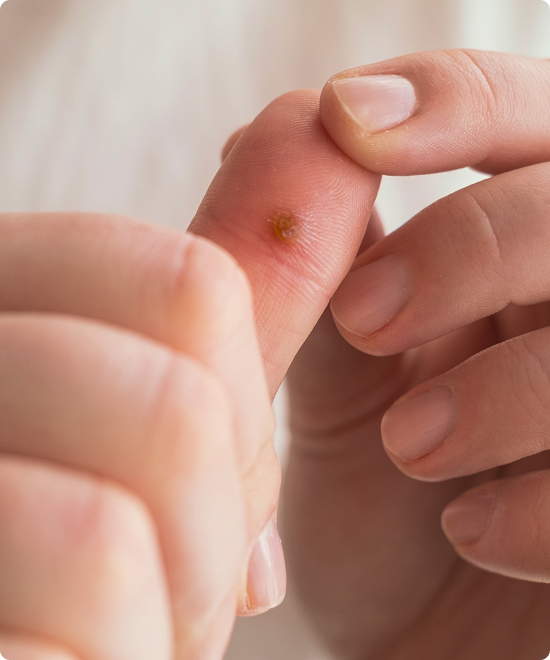
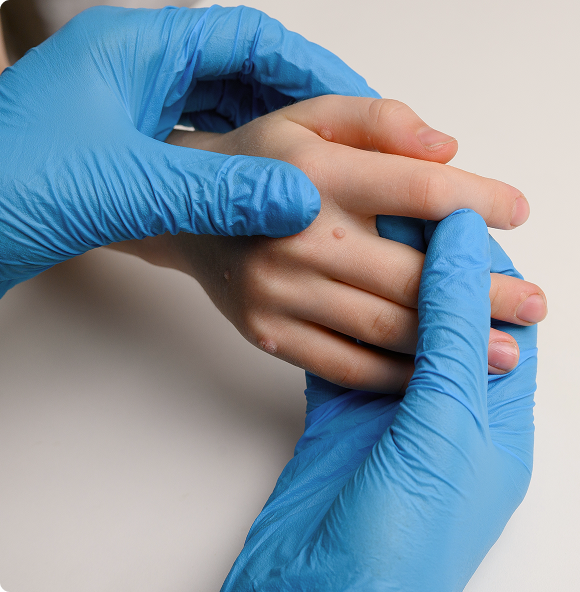
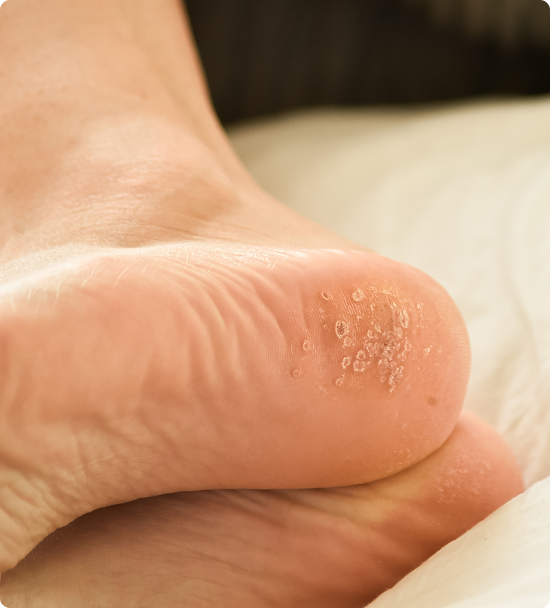
Warts are skin growths caused by the human papillomavirus (HPV). They can grow on any part of the body, including the face, hand, finger and feet. While common and typically harmless, warts can be inconvenient, embarrassing and even painful. For instance, warts on the sole of the foot (called plantar warts) grow inward from the pressure of standing and walking, and are often painful.

Warts commonly appear as:

  • Small, flesh-coloured bumps that may occur singly or in clusters
  • Growths with a rough or grainy surface
  • Clotted blood vessels taking the form of tiny black dots
  • Long, narrow thread-like growths, commonly seen in filiform warts
  • Flat, smooth growths or inward-growing lesions on the soles of the feet, as seen in plantar warts

Types of Warts

Warts can develop on different parts of the body and vary in appearance depending on the type of human papillomavirus (HPV) involved. Identifying the type of wart helps determine the most appropriate treatment approach.

  • Common Warts: Common warts are rough, raised growths that typically appear on the hands, fingers, knees or elbows. They often have a coarse surface with tiny black dots, which are small clotted blood vessels.
  • Plantar Warts: Plantar warts develop on the soles of the feet. Because they are subjected to body weight when walking, they often grow inward and may cause pain or discomfort when standing or moving.
  • Flat Warts: Flat warts are small, smooth and slightly raised growths that commonly appear on the face, neck, hands or legs. They often occur in clusters and are generally smaller than other types of warts.
  • Filiform Warts: Filiform warts are long, narrow growths that commonly develop around the eyes, nose, mouth or neck. Their thread-like appearance makes them distinct from other wart types.
  • Periungual Warts: Periungual warts develop around or beneath the fingernails and toenails. They may interfere with nail growth and become painful if they enlarge or crack.

How Do Warts Form and Spread?

Warts are contagious. They mainly spread through the human papillomavirus (HPV), which enters the skin through tiny cuts or breaks. Transmission is more likely when the skin is damaged or when the immune system is weakened.

Common ways warts spread include:

  • Direct skin-to-skin contact with a wart
  • Sharing towels, razors or other personal items
  • Touching contaminated surfaces
  • Shaving over infected skin, which can spread the virus to nearby areas
  • Nail biting or picking at existing warts
  • Walking barefoot in public showers, gyms, swimming pools or changing rooms

When Is Wart Removal Treatment Needed?

Many warts resolve without treatment over time. However, professional wart removal may be recommended if the wart is persistent, causing symptoms or spreading to other areas of the body.

You should consider wart removal if:

  • The wart is painful, bleeding or frequently irritated
  • It changes in size, colour or appearance
  • It affects walking, work or daily activities
  • It has not responded to pharmacy or home treatments
  • It continues to spread or increase in number

Visit a dermatologist for an assessment if you have persistent, painful or recurring warts. Early diagnosis and treatment could reduce the risk of the wart spreading or becoming more difficult to treat.

SCHEDULE AN APPOINTMENT

Wart Removal Treatment Options in Singapore

Wart removal treatment aims not only to remove visible warts but also to reduce the spread of the human papillomavirus (HPV) and lower the risk of recurrence. The most appropriate treatment depends on the type, size and location of the wart, as well as how long it has been present.

Salicylic Acid

Prescription-strength salicylic acid gradually removes the wart by softening and peeling away the affected skin layer by layer. It may also help stimulate the body's immune response against the HPV infection while encouraging healthy skin to regenerate.

Cryotherapy

Cryotherapy involves freezing the wart with liquid nitrogen at extremely low temperatures. The treated tissue gradually dies and falls away over the following days or weeks, allowing healthy skin to replace it.

Surgical Excision

Surgical excision involves removing the wart using a scalpel under local anaesthesia. This option may be recommended for larger, persistent or treatment-resistant warts.

Electrosurgery and Curettage

This procedure combines electrosurgery, which destroys the wart using heat, with curettage, where the remaining wart tissue is carefully scraped away using a specialised instrument. It may be suitable for selected warts that require complete removal.

Laser Treatment

Wart laser treatment targets the small blood vessels supplying the wart, cutting off its blood supply so that the wart gradually shrinks and falls off. It may be recommended for stubborn or recurrent warts that have not responded to other treatments.

Depending on your condition, your dermatologist may even recommend combining two or more treatment methods to improve treatment outcomes and reduce the likelihood of recurrence.

How Do Dermatologists Carry Out Laser Treatment for Wart Removal?

Laser treatment is commonly recommended for selected warts, particularly those that are persistent, recurrent or have not responded well to other treatments.

Before laser treatment

your dermatologist will assess the size, location and type of wart to determine whether laser therapy is the most appropriate option. The treatment area is then cleansed and, depending on the size or sensitivity of the wart, a local anaesthetic may be applied to improve comfort during the procedure.

During treatment

focused laser energy is directed at the wart. Depending on the laser used and the characteristics of the wart, the laser may destroy the wart tissue directly or target the small blood vessels supplying it. This cuts off the wart's blood supply, causing it to gradually shrink and die.

After treatment

the wart may dry, form a scab and eventually fall away as the skin heals. Depending on the size, location and number of warts, more than one treatment session may be recommended. Your dermatologist will also provide aftercare instructions to promote healing and reduce the risk of recurrence.

Who May Be Suitable for Laser Wart Removal?

Laser wart removal may be recommended when other treatment methods are unlikely to be effective or have not produced satisfactory results. Following a clinical assessment, your dermatologist will determine whether laser treatment is the most appropriate option based on the type, size and location of your wart.

Laser wart removal may be suitable for individuals with:

  • Warts that have not responded to topical treatments
  • Recurrent warts that continue to return after previous treatment
  • Warts in cosmetically sensitive areas
  • Thick or persistent warts that may require a more targeted treatment approach

Why Choose LL Cheong Skin & Laser Clinic for Wart Removal in Singapore?

Choosing the right treatment for a wart starts with an accurate diagnosis. At LL Cheong Skin & Laser Clinic, we recognise that different types of warts respond differently to treatment. Rather than relying on a one-size-fits-all approach, we provide personalised treatment plans based on the type, size, location and persistence of each wart, helping patients achieve effective clearance while minimising discomfort and the risk of recurrence.

Your care is led by Dr Cheong Lai Leng, our consultant dermatologist, who performs a comprehensive skin assessment to confirm the diagnosis and recommend the most appropriate treatment. Depending on your condition, this may include salicylic acid, cryotherapy, surgical removal, electrosurgery or laser wart removal, with each treatment selected according to your individual needs.

If you have a persistent, painful or recurring wart, seek professional assessment early. Contact our clinic today for personalised wart removal and expert dermatological care.

Specialised Dermatology Services

Medical Dermatology

Medical dermatology focuses on the diagnosis and treatment of conditions affecting the skin, hair and nails

Learn more

Aesthetic Dermatology

Aesthetic dermatology focuses on helping patients address individual concerns

Learn more

Surgical Dermatology

Surgical dermatology involves procedures to diagnose, remove or treat various skin conditions and growths

Learn more

Meet Our Wart Removal Specialist in Singapore

Dr Cheong La

Dr Cheong Lai Leng

Consultant Dermatologist

MBBS (Singapore), M.Med (Internal Medicine),
MRCP (UK), FAMS (Dermatology),
Corr. Fellow, American Society for Dermatologic Surgery

Dr Cheong Lai Leng is a Consultant Dermatologist with over 20 years of clinical experience in diagnosing and treating a wide range of skin growths, including common, plantar and recurrent warts. She performs comprehensive skin assessments to distinguish warts from other skin conditions before recommending the most appropriate treatment, whether through topical therapy, cryotherapy, laser treatment or minor surgical procedures. Her personalised approach focuses on achieving effective wart removal while reducing the risk of recurrence and preserving healthy surrounding skin.

Top